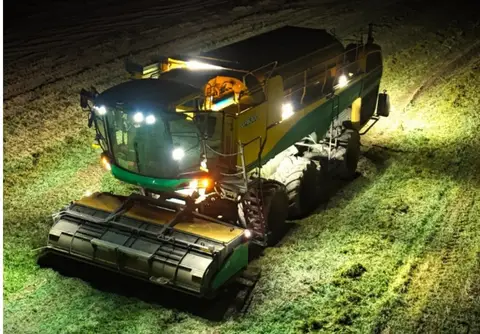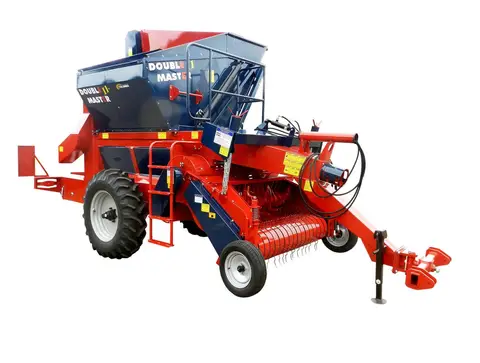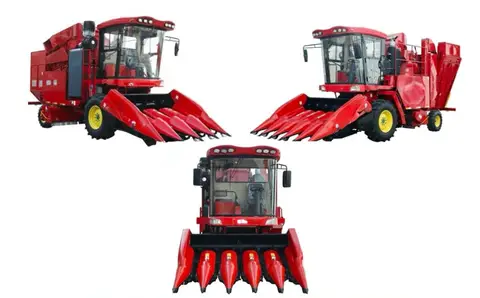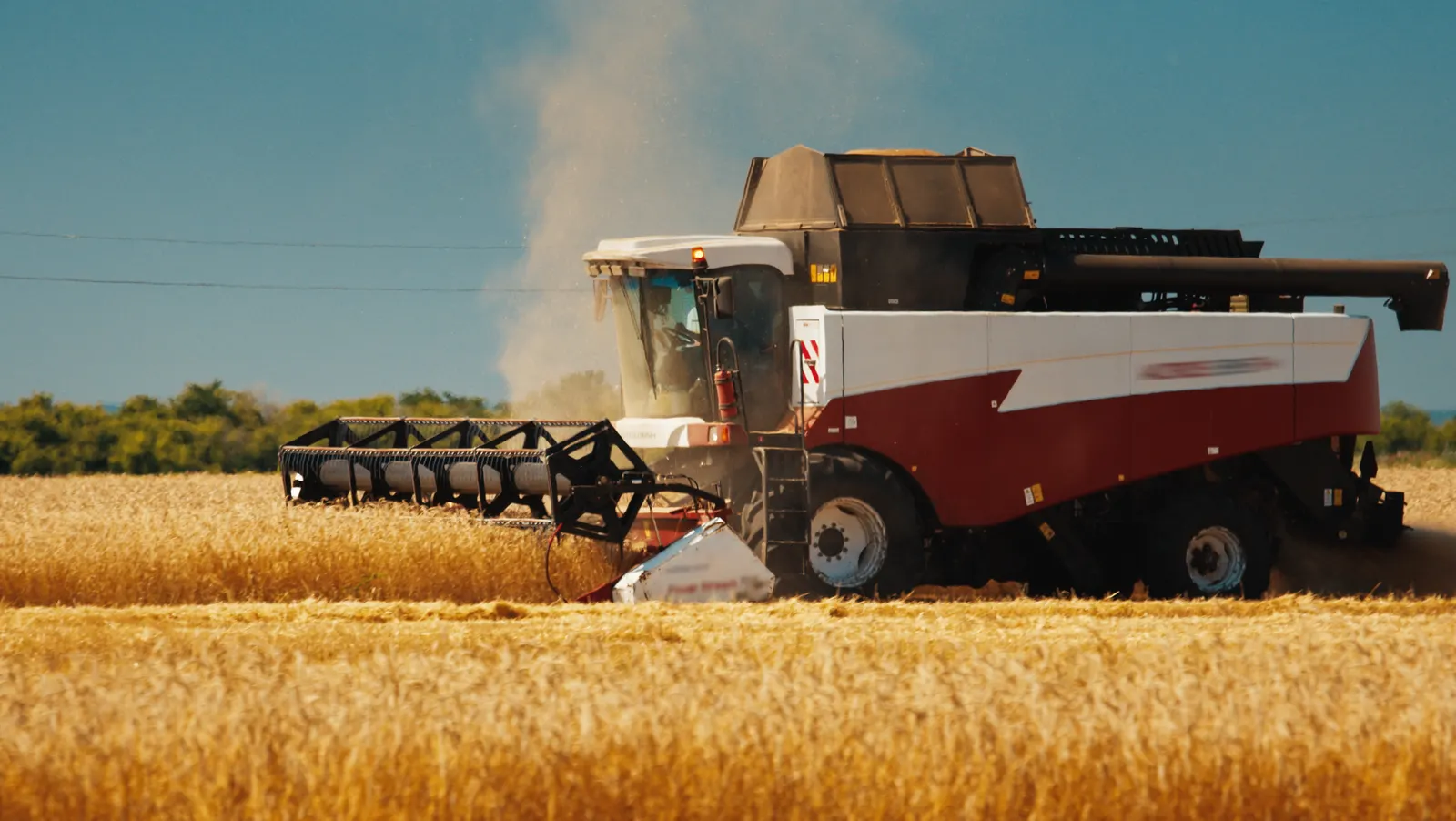
Specialised machinery — a bean harvester, a freezing line or a dryer — is not bought off the shelf like a tractor. It is built or configured to order, so a purchase takes from a few weeks to several months. Below are the stages every such project goes through, and what is worth preparing at each of them.
1. Define the task
The more precisely the task is described, the lower the risk of buying a machine that does not fit. Prepare:
- the crop or product and the volume — hectares, tonnes per day or per season;
- working conditions — terrain, planting layout, the tractor you have, buildings, available electrical power;
- what the farm already has and what the new machinery must work with;
- the deadline: the date by which the machinery must be on site.
2. Compare the options
There are usually several solutions for one task: different manufacturers, a new or refurbished machine, trailed or self-propelled. Compare not only the price but the cost of ownership: capacity, fuel consumption, labour needs, and the cost and availability of spare parts.
If you can, see the machinery at work — at the manufacturer’s plant or on a farm where it is already in use. This is the quickest way to check whether what is promised matches reality.
3. Agree the configuration and the contract
At this stage the final configuration, price, delivery terms, payment schedule and production time are fixed. Pay attention to three things:
- what exactly is included in the price — delivery, customs clearance, installation, training;
- production and delivery time — especially if the machinery is needed for a particular season;
- warranty terms — for how long, on which units, and who carries out repairs.
4. Delivery and customs clearance
Machinery is shipped by road or by sea, large machines in sections. Importing requires a set of documents from the manufacturer and customs clearance. When the supplier handles this, the buyer receives the machinery already cleared, with the full set of documents for registration.
5. Installation, start-up and training
A harvester has to be assembled and set up for the crop; a line has to be installed, connected and brought up to working conditions. Start-up is usually combined with operator training: how to adjust the machine, what to check every day, which faults can be fixed on site. A well-run start-up reduces downtime in the first season.
6. Service and spare parts
Before you buy, find out who will service the machinery after the warranty ends and how quickly spare parts can be obtained. For machines that work a few weeks a year, it is worth keeping a seasonal set of wear parts on the farm in advance.
How much time to allow
From the first enquiry to start-up it usually takes from one to several months — depending on whether the machine is in stock or built to order. So machinery for the season is best ordered early, as soon as the need becomes clear: a rush before harvest narrows the choice and raises the cost of a mistake.